Foundations
Calm-water essentials
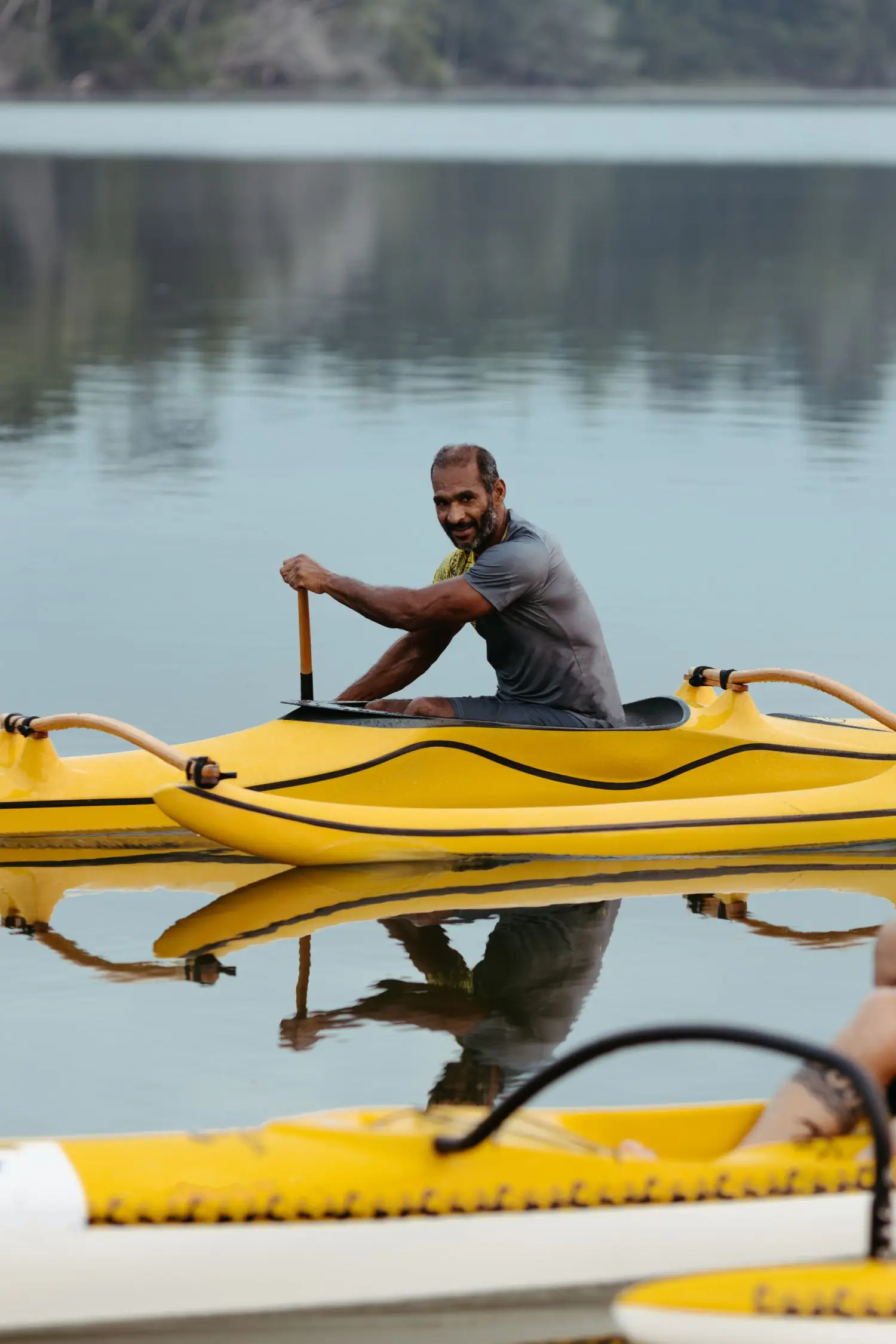
For first-time and returning paddlers who want a stable technical base. Work on seating position, paddle grip, relaxed torso rotation, stopping, turning, basic edging and controlled launch and landing habits.
Choose a session by confidence and objective, not by a vague difficulty label. Each format has a clear technical focus, a suitable water profile and enough time to practice rather than rush.
The session names describe the main goal. Exact launch points and route length are adjusted to conditions, group pace and the amount of coaching that is useful on the day.
For first-time and returning paddlers who want a stable technical base. Work on seating position, paddle grip, relaxed torso rotation, stopping, turning, basic edging and controlled launch and landing habits.

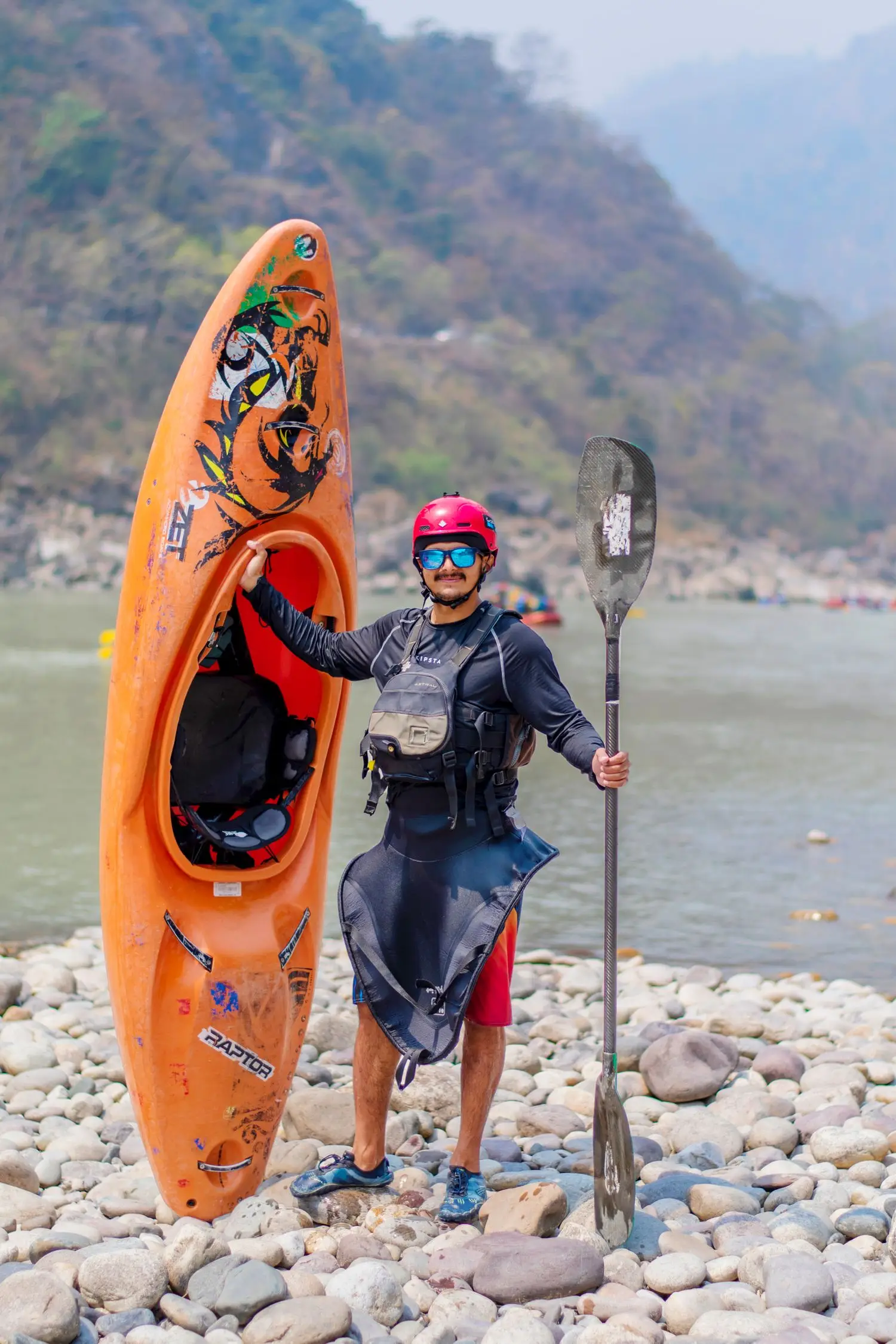
For paddlers who can move and turn the kayak reliably and want better control near shoreline features. Emphasis shifts to edging, sweep timing, corrective strokes, wind awareness and efficient group spacing.

A longer skills day for confident paddlers. Break a route into manageable legs, identify exposure and regroup points, estimate sustainable pace and make conservative go-or-turn decisions as conditions evolve.
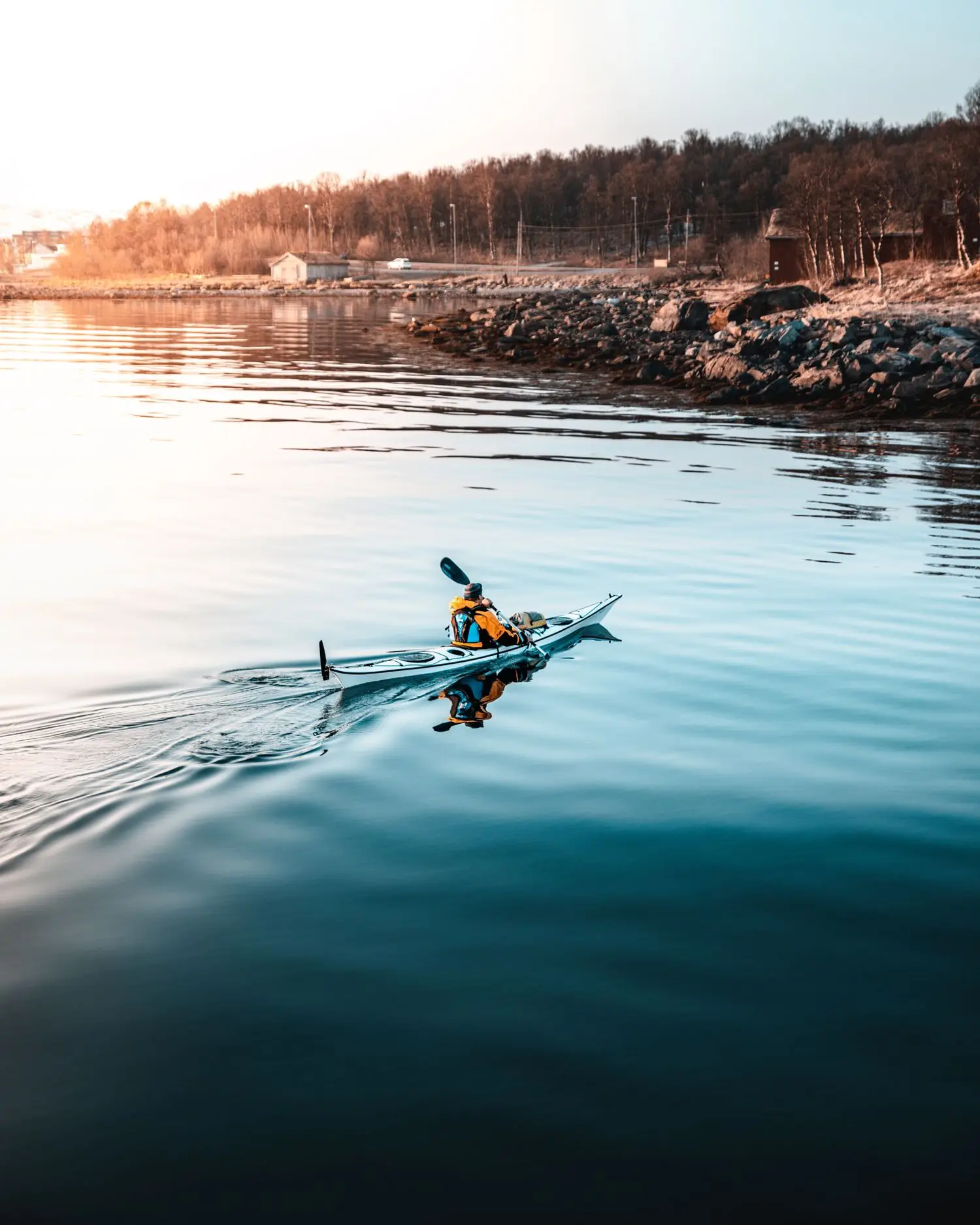
A slower-format touring session with enough coaching to keep paddling comfortable, but more space to take in shoreline, changing light and the rhythm of a quiet group moving together.
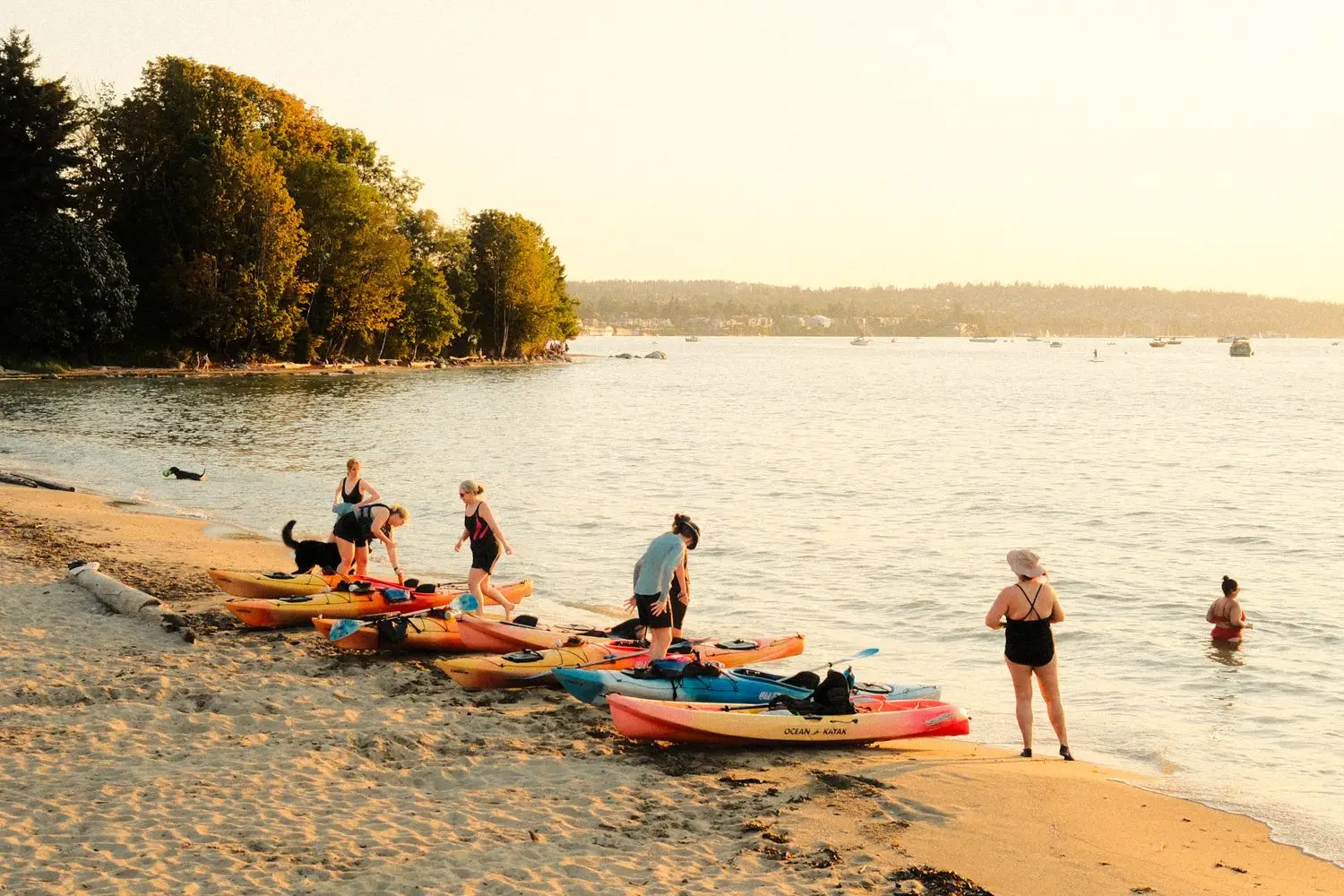
Designed around one group’s shared objective. The format can stay introductory, combine a scenic route with coaching, or focus on efficient touring technique for paddlers preparing for independent trips.
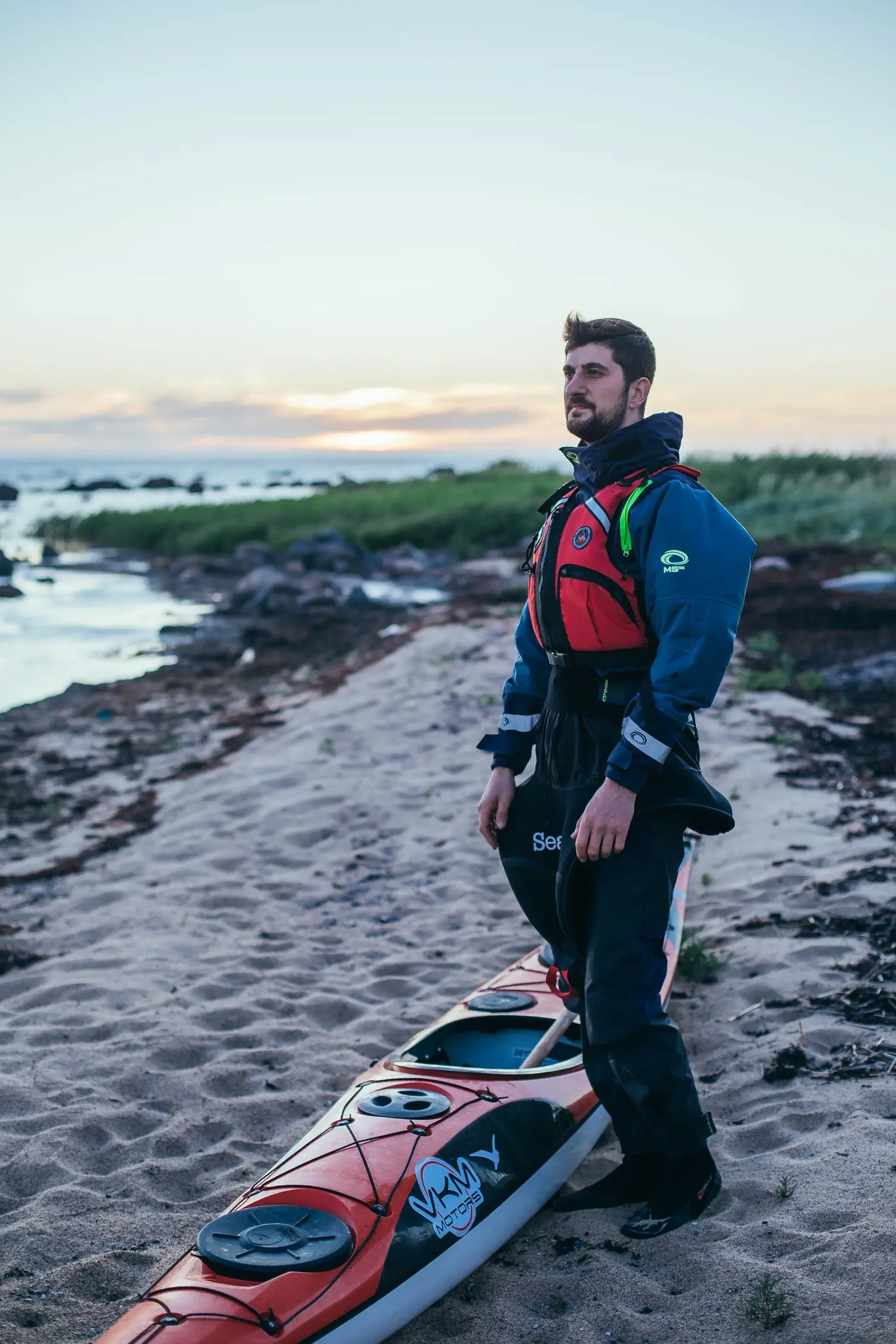
Technique works best when each layer has somewhere to attach. We prioritize boat control before complexity, then add route awareness and endurance as the paddler’s attention becomes less occupied by the basics.
Boat fit is adjusted before launch so foot support, seating position and paddle length match the session objective as closely as practical.
Core equipment is prepared before the group briefing. You receive a concise explanation of how each item should fit and when it matters.
The group reviews the intended route, likely exposure points, communication signals, regroup locations and the criteria that could change the plan.
Comfort improves learning. Bring simple, functional layers and avoid carrying items that you do not need on the water.
Quick-drying base and mid layers, a light outer layer appropriate to the forecast, and secure footwear that can get wet. Bring a dry change for after the session.
Sun protection, sunglasses with a retaining strap, a compact water bottle and any small personal item requested in your pre-session notes.
Plan to arrive 20 minutes before the stated start. That buffer is used for equipment fit, questions and a calm launch sequence rather than rushed setup.
When booking, describe what you can comfortably do now: typical distance, water type and whether turning, edging and landing feel reliable. Specific information helps us recommend well.
Set the boat up, review the route and establish clear group communication.
Use sheltered water to find rhythm and rehearse the strokes needed later.
Move through the planned water while coaching becomes shorter and more specific.
Finish with a controlled landing and a concise recap of useful next steps.
If you are still concentrating hard on balance, basic forward strokes and turning, foundations is the better fit. Progression assumes you can already move the boat predictably and want to refine control in more varied water.
Demand varies by format. Foundation sessions are paced around learning. Longer passage sessions assume sustained paddling comfort. Tell us your usual activity level and recent paddling experience when you inquire.
Often yes, especially in a private format. We can keep the route accessible while giving the more experienced paddler additional technique tasks rather than forcing both people into the same learning target.
Describe your paddling history in a few lines. Specific details are more useful than labels such as “beginner” or “advanced.”