01
Clarity before complexity
We teach the minimum useful idea first, let the paddler feel it in the boat, and add detail only when it improves control rather than crowding attention.
Velarionessiquea is a British Columbia kayaking outfit focused on small groups, useful instruction and route choices that respect the actual conditions in front of us.
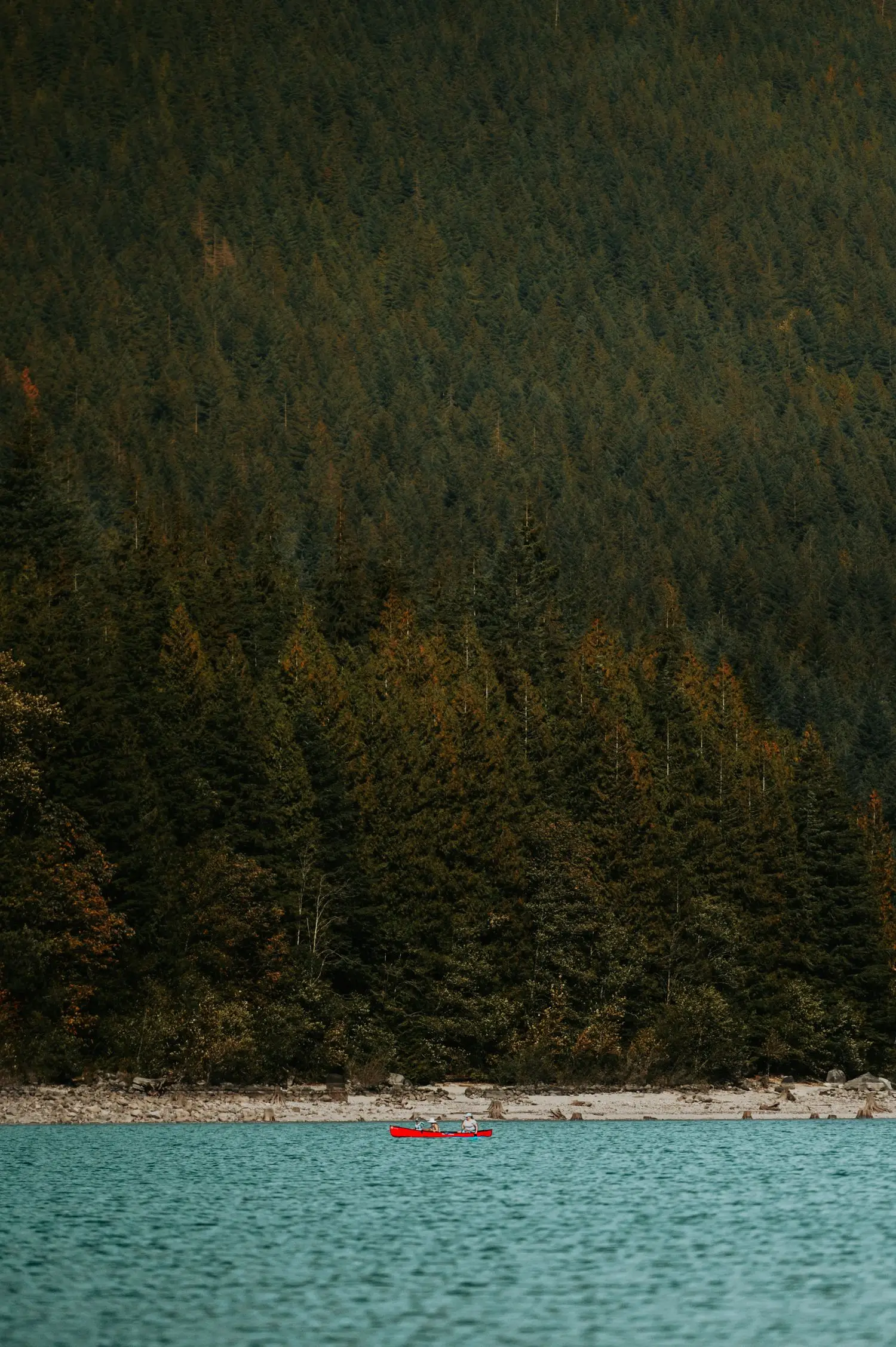
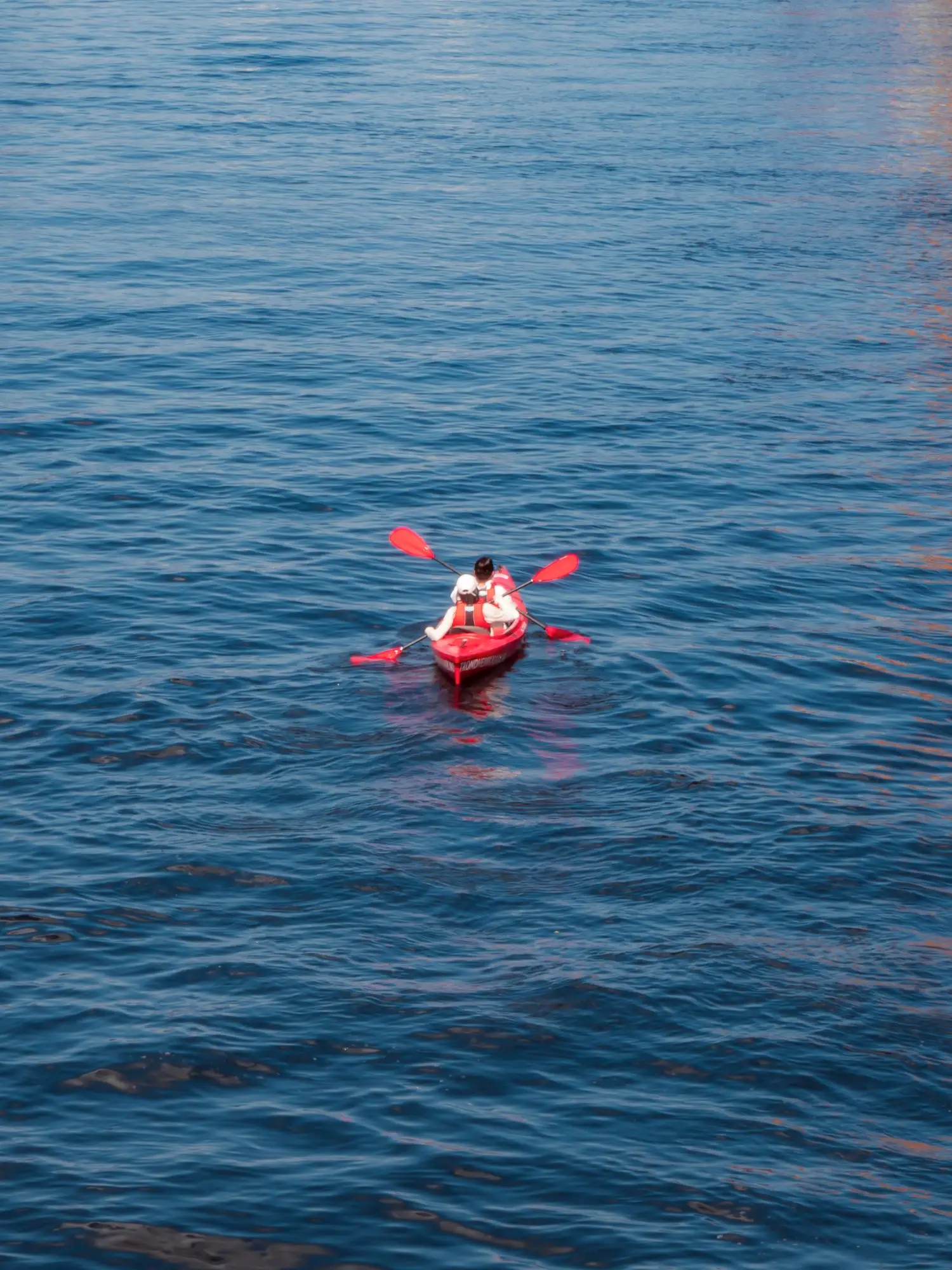
Many people first meet kayaking as a pile of disconnected instructions: sit upright, rotate, edge, watch the wind, stay with the group. We prefer to connect those pieces into a simple sequence so the paddler understands why a technique matters and when to use it.
That means fewer theatrical claims and more practical attention to fit, posture, line choice, pacing and the shape of the shoreline. Scenery remains central, but competence makes it easier to enjoy.
We teach the minimum useful idea first, let the paddler feel it in the boat, and add detail only when it improves control rather than crowding attention.
Route plans should preserve choices. We favour shorelines, turn points and group spacing that make it possible to simplify the day before pressure builds.
Good paddlers notice changing water texture, wind on the surface and the movement of the group. Speed matters less than having enough attention left to read what is happening.
Continuous talking is not the same as coaching. We use short cues, visible demonstrations and enough quiet paddling time for a new movement to settle.
Watch the boat, paddle path and body position before deciding what actually needs to change.
Choose one adjustment with the highest practical value instead of correcting everything at once.
Use a short section of water to feel the change repeatedly without adding new complexity too soon.
Carry the movement into normal touring so it becomes useful rather than remaining a drill.
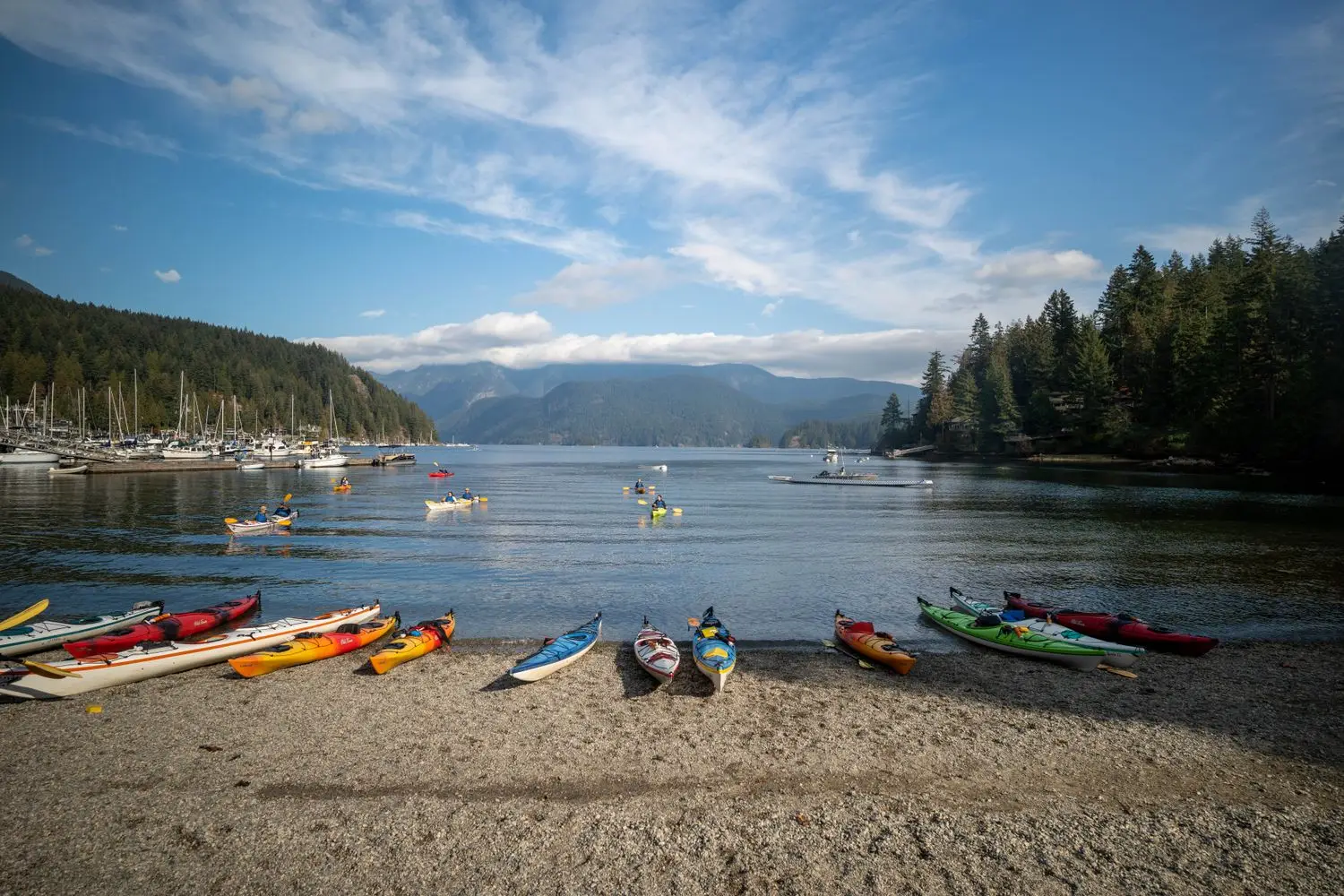
We prepare touring kayaks and paddles as working tools. Before launch, paddlers learn the adjustment points that affect posture and control so the equipment becomes understandable rather than mysterious.
Quiet travel is part of the experience. We keep group noise low, avoid crowding wildlife or other paddlers and choose rest points that can absorb use without unnecessary disturbance.
We also treat launch areas as shared spaces. Boats are staged efficiently, gear does not block access, and the group moves away from the ramp or beach as soon as setup is complete.
On the water, observation has priority over pursuit. If wildlife is present, the route remains conservative and gives animals space rather than turning an encounter into a chase for a closer view.
Stewardship also means honest route choice. A shorter outing that leaves the group composed and the shoreline undisturbed is a better result than forcing a longer objective because it sounded impressive in advance.
We ask about paddling experience, group size, preferred pace and the type of water you want to experience so recommendations are based on practical detail.
The session keeps a defined purpose, but the exact route and coaching emphasis can shift if the group or conditions make a different choice more sensible.
Route and technique explanations are kept concrete. We define any specialist term we use and connect it to something visible on the water.
The session ends with a concise review: what improved, what still needs practice and which next session or independent practice would make sense.
Browse the session formats or send us a short description of what you want to become more comfortable doing on the water.