British Columbia routes

Read the shoreline before you chase the horizon.

Our route guide groups paddling by character: sheltered urban water, island shoreline, mountain-backed inlets and longer passages. Route names are starting points, not promises that override conditions.

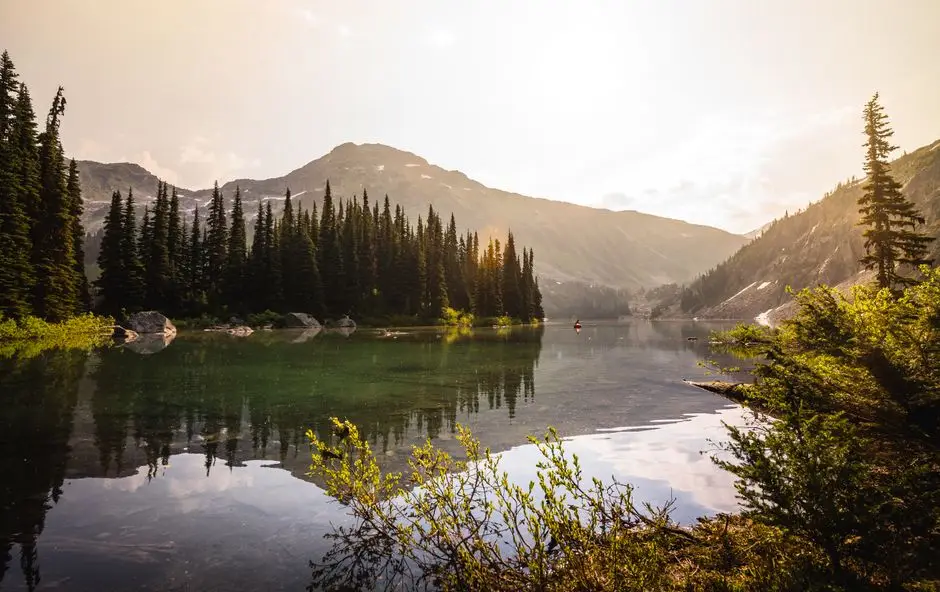
Mountain lake with forested shoreline
Route profiles

Different water asks for different attention.

Distance alone does not define difficulty. Exposure, available landings, wind direction, shoreline shape and group experience all change the feel of a route.

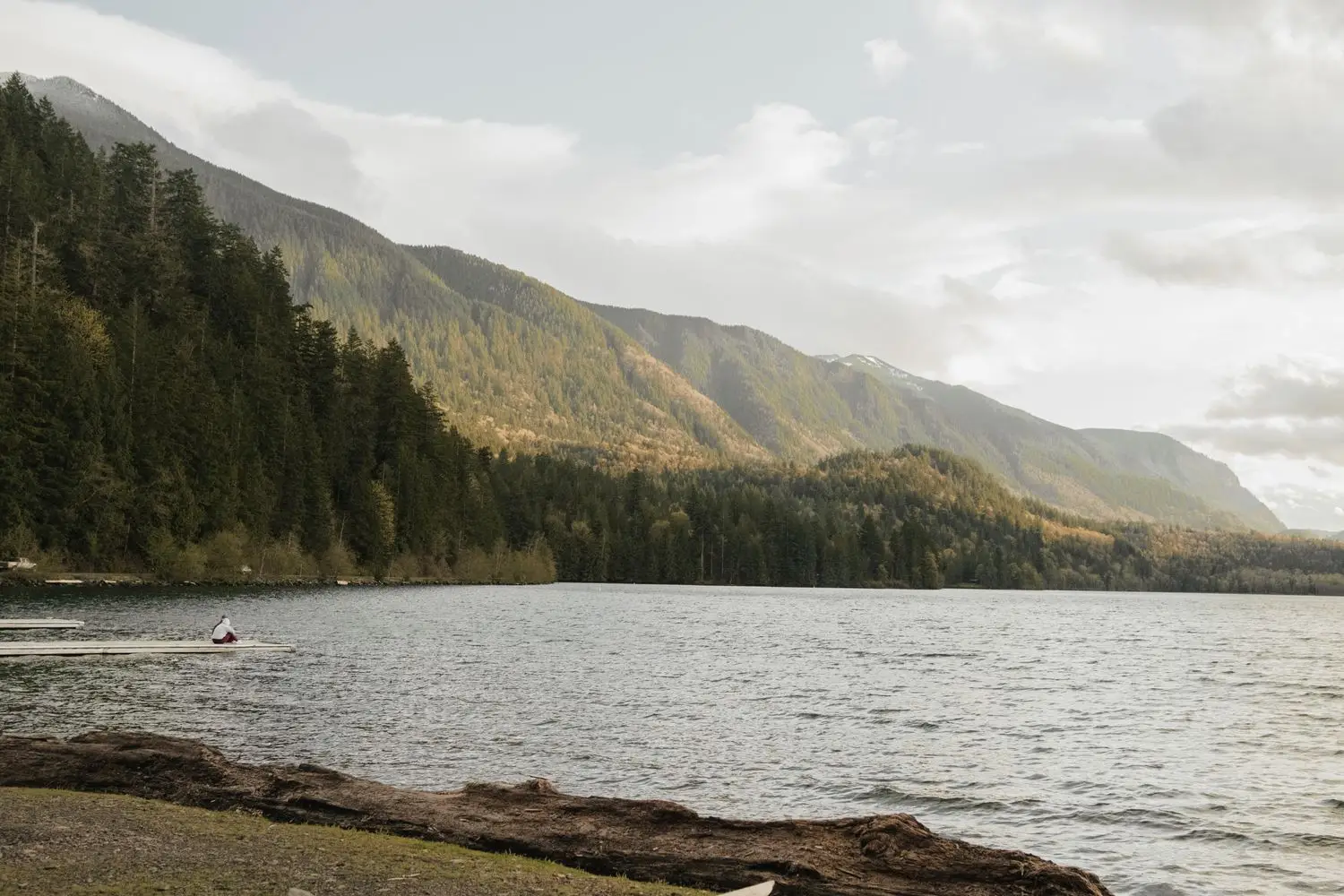
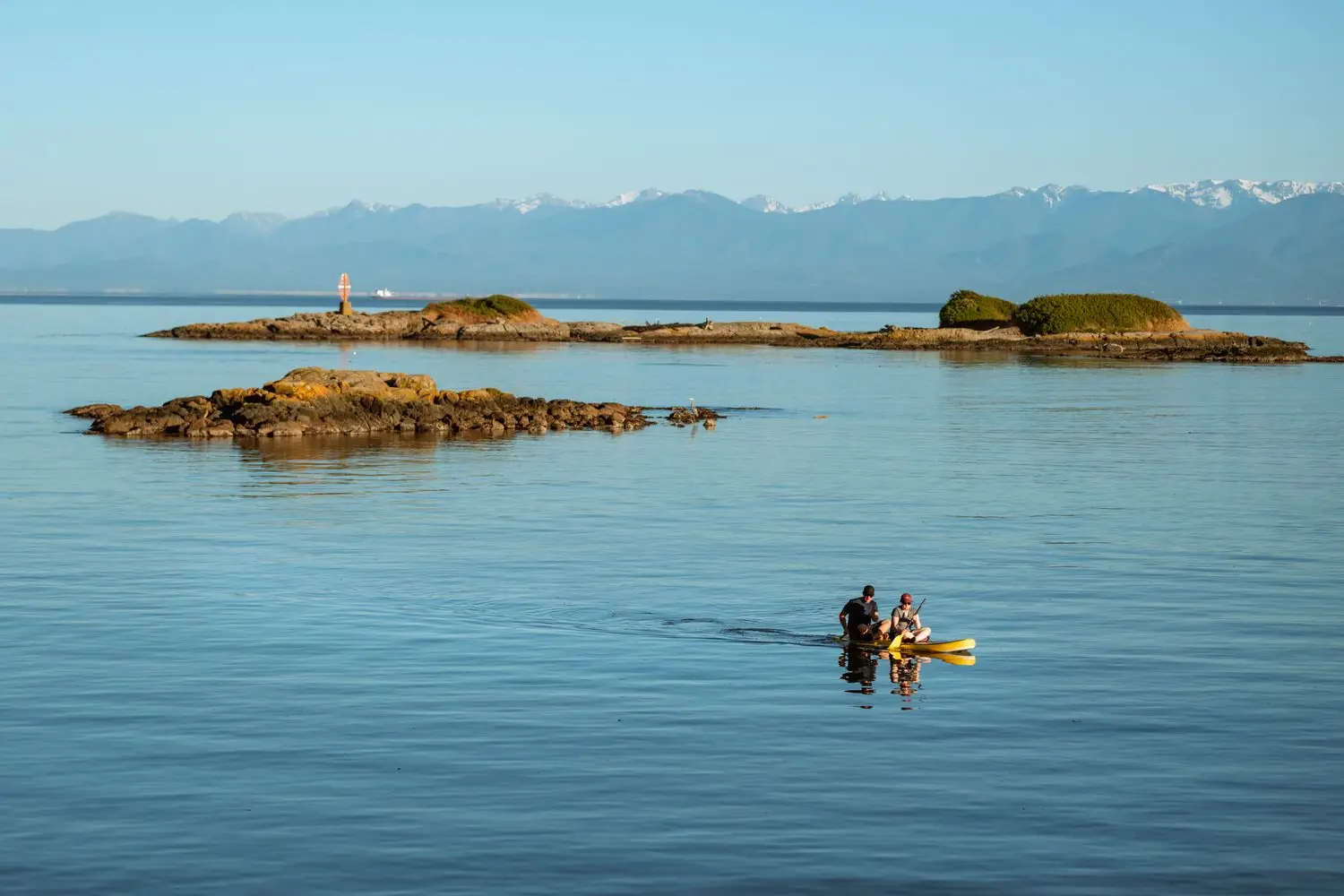
Calm coastal water with mountain horizon
AccessibleProtected waterShort legs

Vancouver sheltered-water loop

A practical setting for foundations and relaxed touring. The route stays close to useful shoreline, making it easy to pause, coach and shorten the outing without breaking the flow of the day.

  • Best for first-time and returning paddlers
  • Frequent regroup options
  • Focus on rhythm, steering and launch confidence
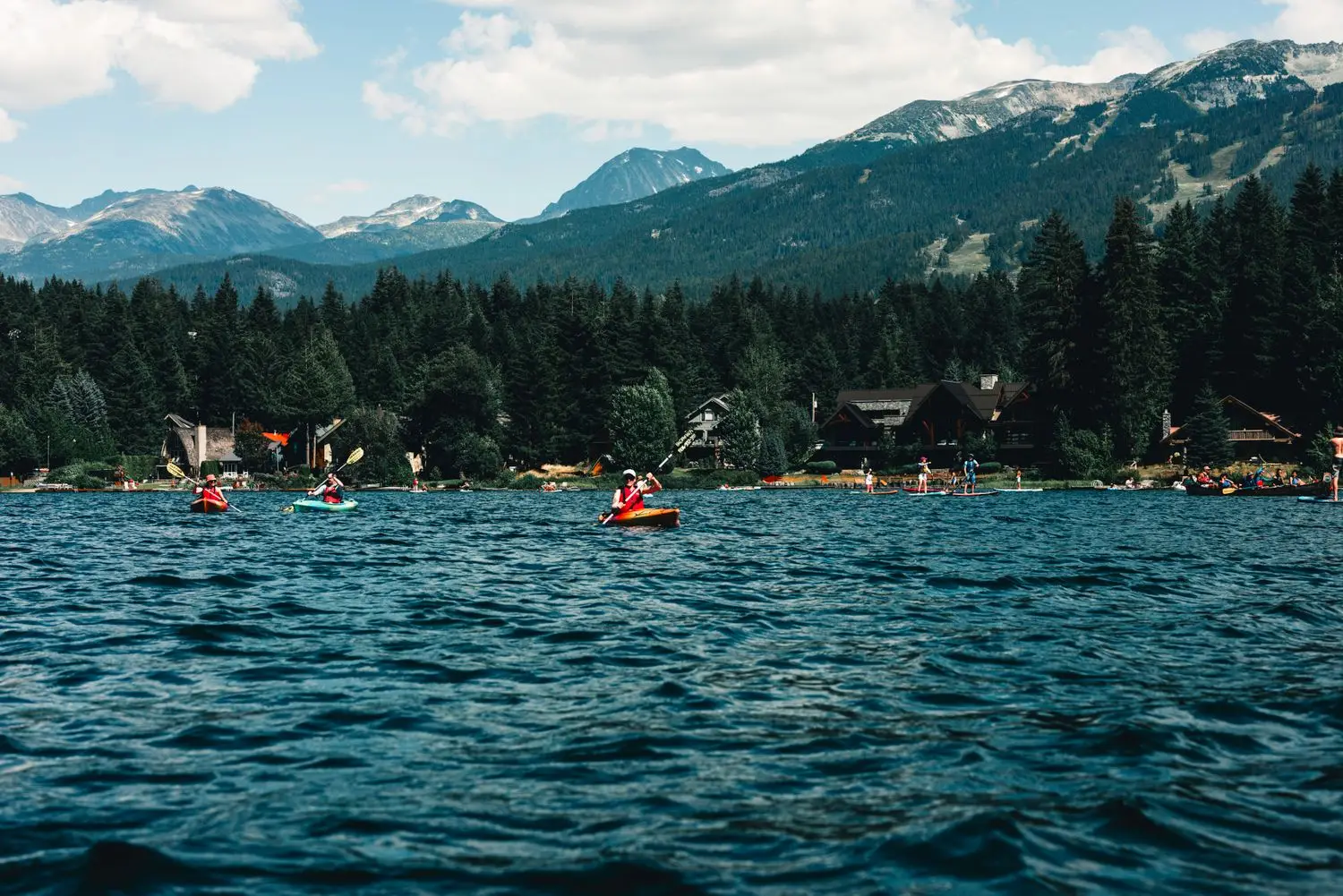
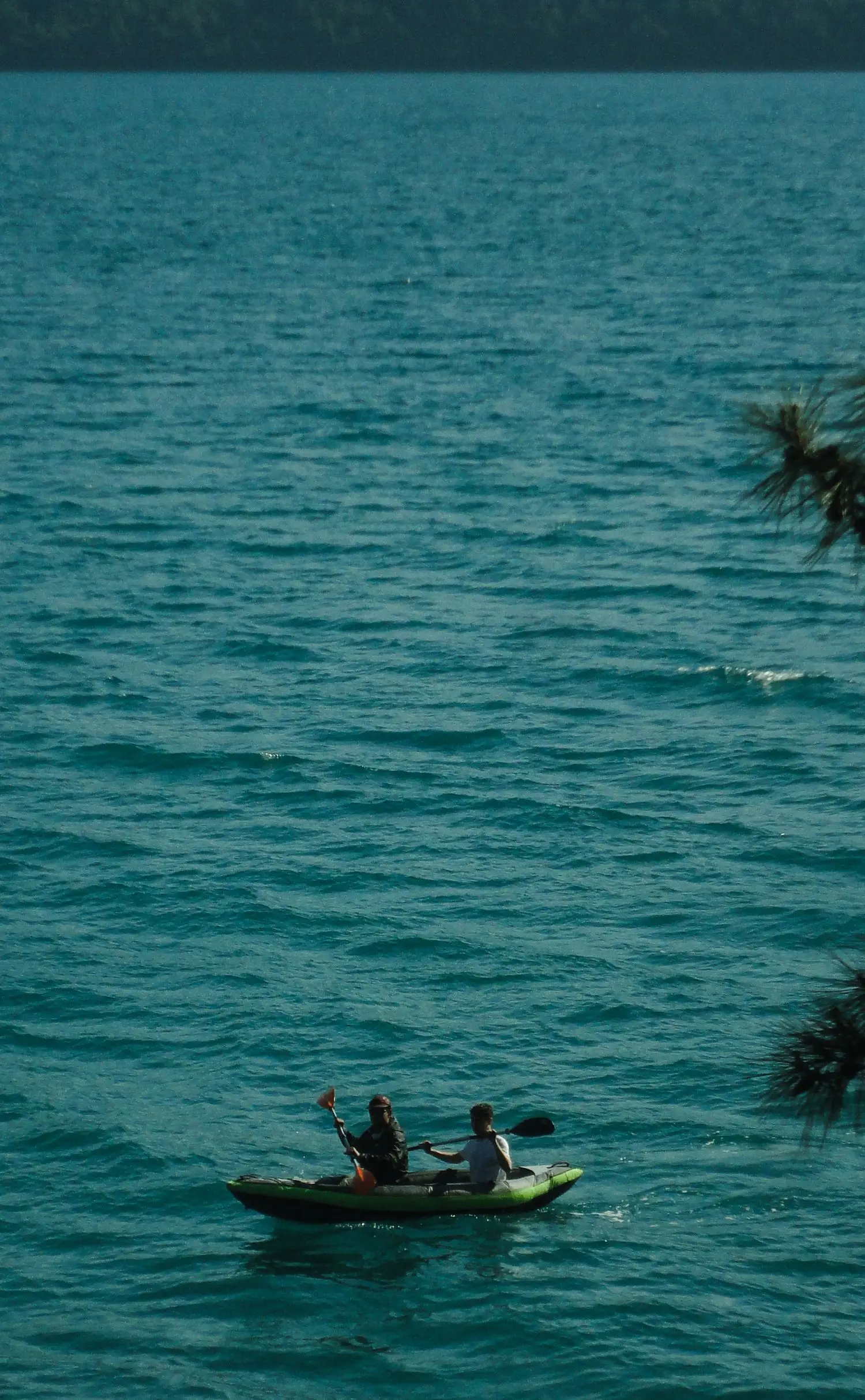
Kayakers on blue water beneath mountain ridges
IntermediateIsland shorelineVariable exposure

Howe Sound island shoreline

Longer sight lines and more varied shoreline make this a useful progression route. Paddlers practice holding a sustainable pace while staying aware of wind texture, group spacing and landing options.

  • Useful for edging and directional control
  • Longer continuous paddling sections
  • Good introduction to route-scale decisions
Still alpine lake surrounded by forest and mountains
ScenicMountain settingMeasured pace

Mountain inlet touring day

A scenery-forward route where pacing matters more than technical complexity. The objective is to move efficiently enough to enjoy a longer day without turning the outing into a race.

  • Steady cadence and energy management
  • Natural pause points along the shoreline
  • Well suited to private groups seeking a quieter format
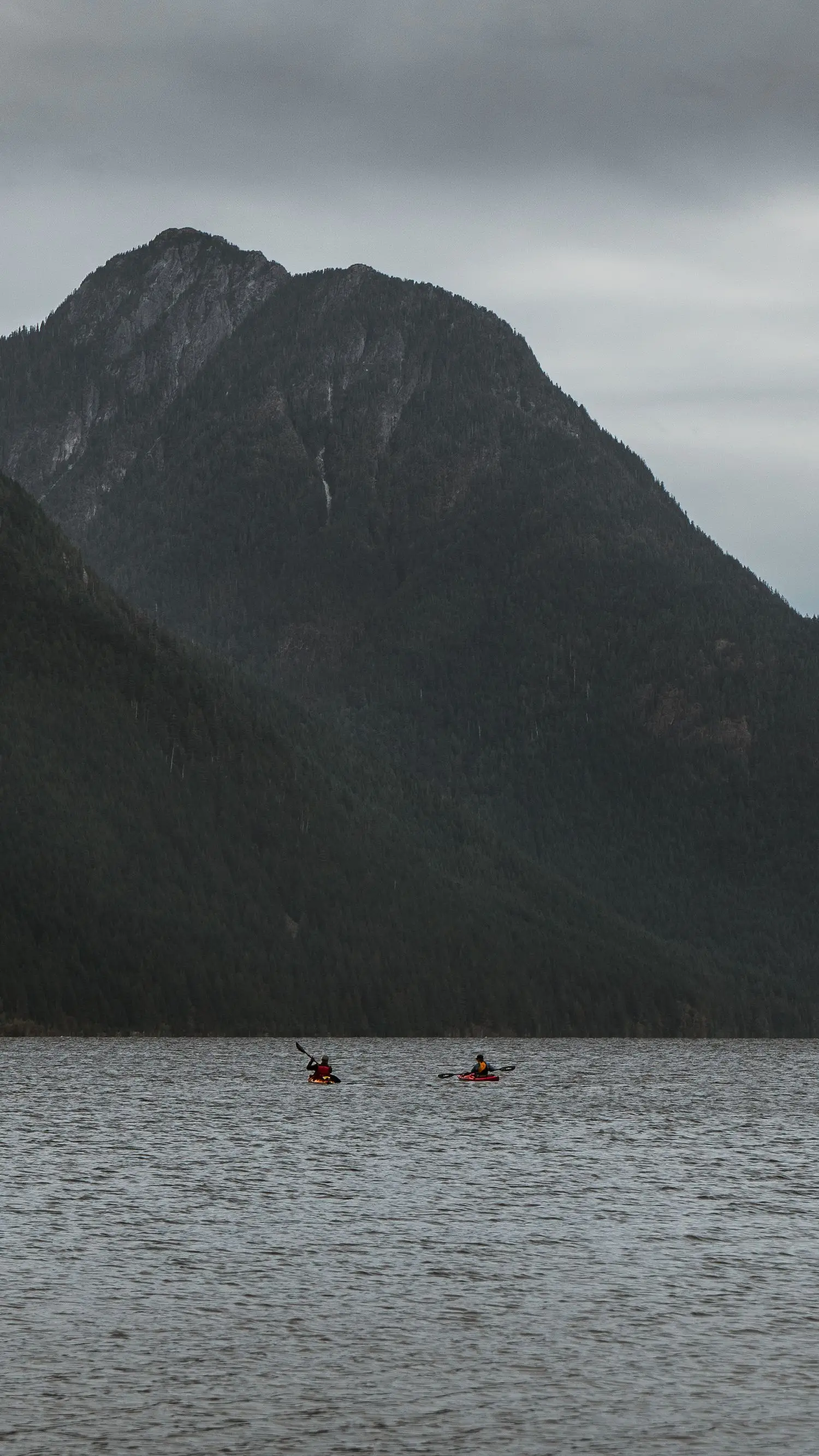
Distant kayakers on dark mountain water
AdvancedLonger passagePlanning-led

Extended coastal passage

For experienced paddlers who want to practice route planning and disciplined group movement over longer legs. The emphasis is conservative decision-making, efficient transitions and maintaining options as exposure increases.

  • Requires reliable boat control
  • Route length adjusted to the day’s conditions
  • Strong emphasis on turn points and alternatives
How we grade routes

A route is more than kilometres.

1

Exposure

How much open water, wind fetch and uninterrupted shoreline the route presents, and how easily a group can reduce exposure if conditions change.

2

Commitment

How frequently the group can land, shorten a leg or turn toward a simpler option without creating a more complicated problem.

3

Control demand

The consistency of boat handling required to stay on line, hold spacing and respond calmly when the water becomes more textured.

Two paddlers on open blue water
Route selection

We choose for the actual day, not the brochure.

A route profile describes the experience we are aiming for. Final decisions consider wind, visibility, water texture, group pace, useful landing points and how much attention the paddlers can devote to navigation rather than basic boat control.

  • Start with the least experienced paddler in the group.
  • Keep an easier alternative available where practical.
  • Prefer a coherent shorter route over a rushed longer one.
  • Turn around early enough that the return still feels controlled.
Seasonal character

The same shoreline can feel entirely different.

Rather than promising a fixed seasonal formula, we describe the practical changes paddlers should expect and adapt the route briefing accordingly.

Cooler shoulder periods

Air can feel crisp even when the water looks calm. Layering, efficient stops and staying comfortably warm between active paddling sections become more important.

Bright summer days

Sun exposure and busy launch areas can affect timing. Earlier starts often create a quieter rhythm and leave more flexibility before afternoon conditions develop.

Wind direction changes

A route that begins sheltered may become exposed around a point or wider crossing. The briefing highlights those transitions before the group reaches them.

Visibility shifts

Low cloud or haze can remove distant visual references. In that case, route choice favours stronger shoreline cues and simpler navigation rather than relying on far-off landmarks.

“
The best route is the one that leaves enough attention to notice the water, the shoreline and the people paddling beside you.
Velarionessiquea route philosophy
Route questions

Choose by character, then confirm by conditions.

Can I request a specific route?

Yes. Treat the request as a preference rather than a guarantee. If the route is not a good fit for the day or group, we will recommend the closest alternative in character and learning value.

How far do we paddle?

Distance depends on session type, group pace and route conditions. We use time, exposure and paddler control as stronger planning tools than a single fixed kilometre target.

Do routes include breaks?

Yes when useful. Breaks are planned around practical shoreline access and group energy. On technique sessions, shorter on-water regroup points can be more productive than long stops.

Match a route to your experience.

Tell us what kind of water you have paddled before and what you want from the day: skills, scenery, distance or a blend.

Discuss route options